As families spend more time outdoors, Apex Skin is encouraging the community to take precautions against tick bites and pay attention to their skin after potential exposure. A few simple steps for avoiding tick bites, along with knowing what to do if you find one, can help protect your skin health while you enjoy more time outside.
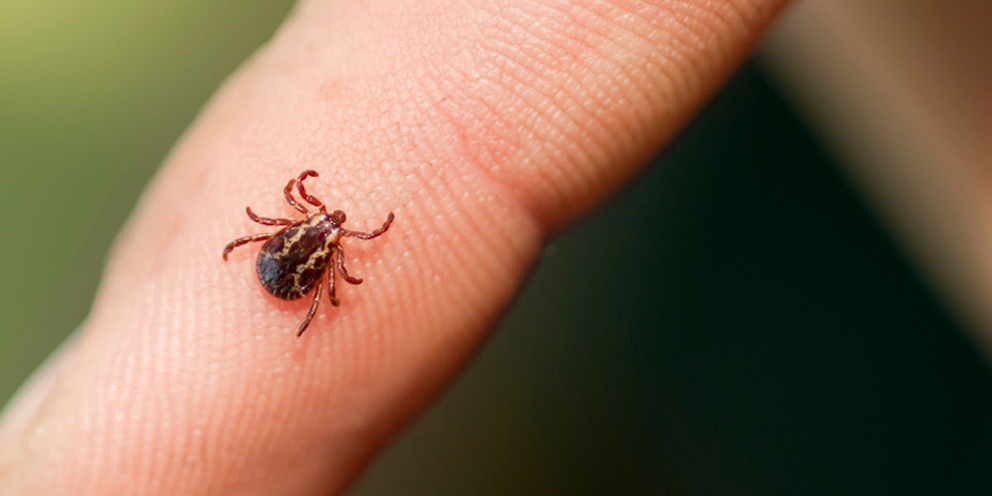
Katie Novotny, MSN, RN, CNP, a certified nurse practitioner with Apex Skin, says one of the most common presentations she sees is an engorged tick still embedded in the skin. Many patients don’t realize it is there until a skin check, when they mistake it for a new growth.
“Most people don’t even know it’s there,” Novotny said. “We’re doing a skin check, and they mention a new growth, and when I go look, I realize, ‘Oh, it has legs.’”
Because tick saliva can contain a numbing agent, many people do not feel the bite occur. The surrounding skin may also appear slightly swollen, similar to a hive.
Tips for Avoiding Tick Bites
Apex Skin recommends taking a few precautions when spending time outdoors:
- Wear long sleeves and pants in wooded or grassy areas.
- Stay on marked trails and avoid tall grass and dense vegetation.
- Use EPA-registered insect repellents.
- Treat clothing and outdoor gear with permethrin when appropriate.
- Perform a full-body skin check after outdoor activities, including the scalp, behind the ears, waistline, and behind the knees. Check children from head to toe.
When Should You Seek Medical Attention for a Tick Bite?
If you find a tick attached to your skin, the first step is tick removal. Use fine-tipped tweezers to grasp the tick close to the skin and pull upward with steady, even pressure. Clean the area with soap and water or rubbing alcohol. Avoid home remedies such as petroleum jelly, nail polish, or heat.
After removing a tick, continue to monitor the bite site and your overall health. Watch for an expanding rash, fever, chills, fatigue, headache, muscle or joint aches, or other unusual skin changes.
Seek medical attention promptly if symptoms develop. Persistent rashes, irritated bite sites, or new or changing lesions should also be evaluated by a healthcare provider.
Pay Attention to Changes in Your Skin
Tick bites are another reason to get familiar with your skin and pay attention when something looks different. As Novotny sees in her own patients, what appears to be a new growth may sometimes turn out to be something else entirely.
Concerned about a tick bite or another change in your skin? Schedule an appointment with an Apex Skin dermatology provider.